


Shimrit Dror
Learning strategies and skills for children, teens, students and adults
Learning strategies and skills for children, teens, students and adults
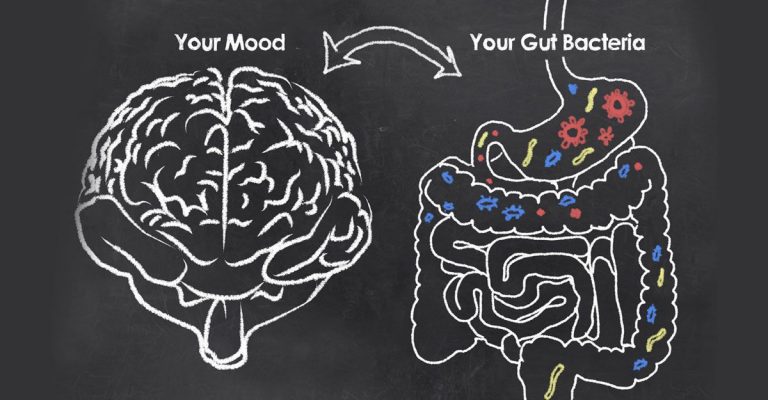
A study carried out at Radboud University Medical Center found a possible link between a certain type of gut bacteria and brain activity typical of ADHD.
Our bodies host billions of microorganisms, and their makeup and numbers differ significantly from one organ to another.
The term microorganisms includes good and bad bacteria, viruses and fungi.
For example, the nose hosts a completely different amount and mix of bacteria than the gut. In fact, the gut is home to more bacteria than any other organ in the human body, with hundreds of different bacterial species living in the digestive system alone.
Researchers and doctors often call the digestive system, and especially the gut, the body’s “second brain”. The way the gut works, and the way messages pass between the organs of the digestive system, resemble in many ways how messages pass in the brain. Neurotransmitters found in the brain, such as serotonin and dopamine, which carry information between nerve cells, are also produced in the gut. There they help pass messages along the intestines and allow the digestive system to work as a unified, independent whole.
Studies have also found a two-way connection between the brain in our skull and the “second brain” in our gut. These two systems send important messages to each other in both directions, and the hypothesis is that this link between the two brains has a major effect on many aspects of our health.
One of the researchers at Radboud University Medical Center explained the motivation for the study:
“Nowadays, there is a great deal of interest in the ‘gut-brain axis’, as it is referred to, as these two organs can affect each other,”
“Via this axis, the microbiome can influence the brain and vice versa. This is the motivating factor for our research, in which for the first time, we broadly examined the microbiome in the stool of many ADHD patients and healthy control subjects.”
In the study, participants were given a task that activates the brain’s reward system. This system is responsible for feelings of pleasure, satisfaction and calm.
The goal was to compare how the reward system responds in different participants. The researchers explained that, from previous studies, we know the brain’s reward process depends heavily on the neurotransmitter dopamine, and that brain scans show how the reward system responds. In general, the reward centers of people with ADHD are activated less by such a task than those of volunteers without an ADHD diagnosis.
In other words, a task that activates the reward system, which is responsible for pleasure and focus, had less effect on people with ADHD. The brain systems responsible for pleasure, satisfaction and inner calm were not activated as expected by a task that should have activated them.
The study also found that participants with ADHD had more of a specific type of gut bacteria whose activity is linked to the production of a building block of dopamine.
The hypothesis is that this substance, produced by bacteria found mainly in people with ADHD, reaches the brain through the bloodstream and affects how the brain works. This is a preliminary hypothesis, and many more studies are needed to support it.
The general consensus (an assumption, not a definitive conclusion) is that neurotransmitters produced in the gut cannot get into the brain, although, theoretically, they could enter small regions of the brain that lack a blood-brain barrier, such as the hypothalamus.
Several centers in the brain produce dopamine, which the brain needs to pass messages between cells and to activate the reward system, the system responsible for satisfaction, pleasure and focus.
The hypothesis being examined is that the substance released by this specific type of gut bacteria, found in larger amounts in people with ADHD, is turned into dopamine once it reaches the brain. When the brain uses dopamine made from this substance to pass messages, the reward system may be affected, unlike when the brain relies only on the dopamine it produces itself, which is currently considered the normal, healthy state.
Dear readers 💜
I invite you to receive, as a free gift from me 💜
the first lessons of my "Learning How to Learn" course