Shimrit Dror
Learning strategies and skills for children, teens, students and adults
Hello, I'm so glad you've found your way into my world –
the fascinating world of learning strategies
I'm Shimrit Dror, and I've been guiding students to excellence for 26 years!
I invite you to discover the power of strategies in the learning process.
Hello, I'm so glad you've found your way into my world – the fascinating world of learning strategies
I'm Shimrit Dror, and I've been guiding students to excellence for 26 years!
Welcome to my world. A world in which I don’t merely choose to believe, but know from 26 years of proven experience, that emotional and mental empowerment, together with precise learning strategies, are the key to success. It’s a world in which I see every day how working the right way, in cooperation with our brain, creates tremendous change – both emotional and educational.
As a teacher and educator, I believe every child and teenager should have another adult in their life – not a parent, not an aunt, not a grandmother, but someone from outside the family – who believes in them, empowers them, walks alongside them, guides them and gives them a safe space to express their fears, beliefs, strengths and hopes. A “significant adult” from outside who becomes a central pillar in building the inner backbone of their character and personality – a backbone that childhood and adolescence are the very best time to build.
A stable backbone that will help them achieve their goals in life and build relationships and communication – but also a flexible one, able to bend gently at the moments in life that call for it, to accept the occasional unsuccessful attempt and, most important of all, to stand tall again afterwards and carry on with joy and inner faith – to create, to achieve and to experience life to the fullest.

Remedial Teaching
Learning Groups
Learning groups in Hebrew and English
based on learning strategies.

A Brain-Training Course to Improve Attention and Focus Without Medication
Improve attention and focus without medication – naturally and enjoyably

Books I've Written
and Games I've Created
Books and games I've developed
based on learning strategies
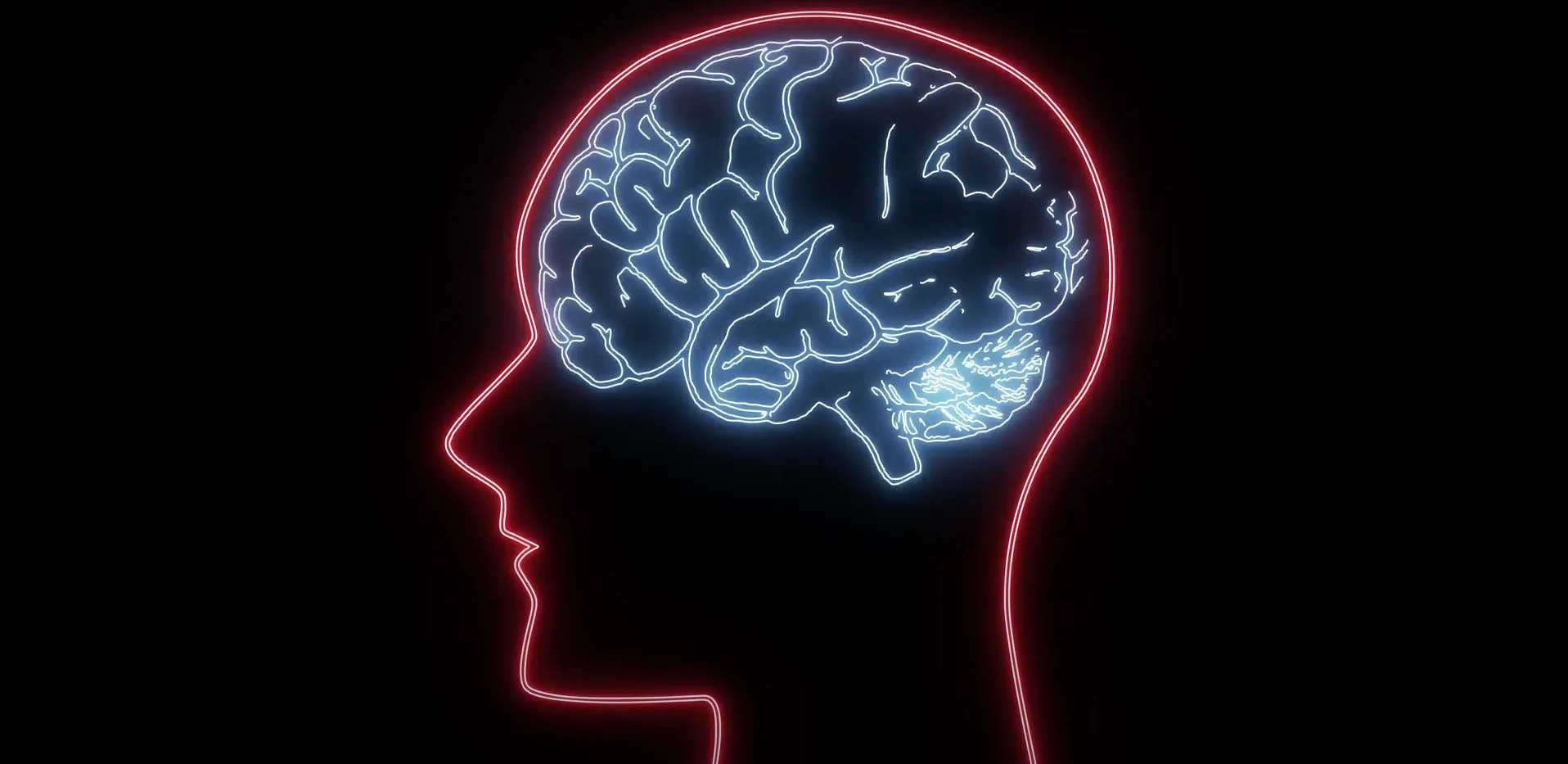
“We tend to think of learning as something abstract – but it isn’t. Learning is the creation of physical connections in the brain.
All of our knowledge lives in a vast neurological network. And just as we need to learn how to use our muscles in a ballet class or at soccer practice, we need to learn how to operate the neurological system in our brain, so that every learning experience meets the definition of effective learning: learning more, in less time, with enjoyment, and in a way that lets the knowledge settle into long-term memory.
Once you remember this, everything becomes easier. Why?
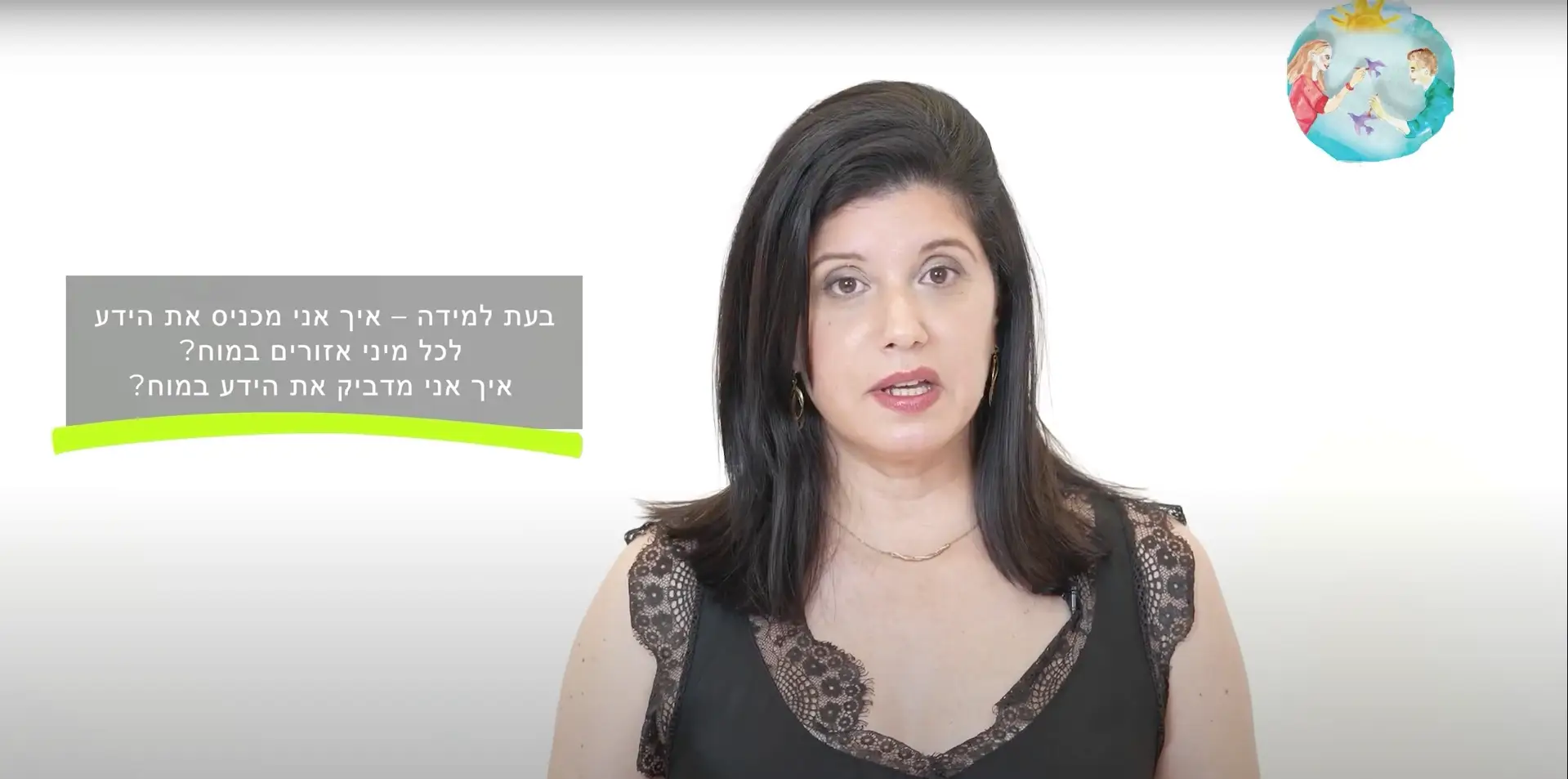
Because every time we hit a difficulty, all we need to ask is: “Which strategy for managing *physical* connections and knowledge in the brain should I use right now to create the best understanding and memory? Which strategy will strengthen and preserve these physical connections in my brain the way I want?”
Before we teach a child how to learn, it’s important that we know how to help them make sense of failed tests and the material they haven’t understood so far. This is an essential part of building the child’s self-confidence – self-confidence that leads to greater motivation, greater effort (more dopamine in the brain) and an easier path to progress. With the right learning strategies, tailored to them, they will understand and succeed – I have no doubt about it, because I speak from twenty years of experience.
But it’s important to stress – and please notice the precise wording – I’m talking about failing tests, not about the child being a failure.
The child has not failed (if anything, it’s the rigid education system that has failed).
Watch the video – it’s extremely important!
In this video I talk about how enormously important a “learning how to learn” course is for every child, especially children with ADHD.
Keep in mind that even children who don’t have neurological ADHD still struggle with attention and focus difficulties.
We live in a very demanding world, full of external stimuli. Every moment your child looks at a phone screen, their brain is flooded with endless stimuli – and that’s from just a few minutes on the phone. Add to that the daily pressure at school, life in the modern world and… what I call internal stimuli – emotions that sometimes weigh us down, feelings, racing thoughts and more.
I invite you to watch the most important lessons from the full course
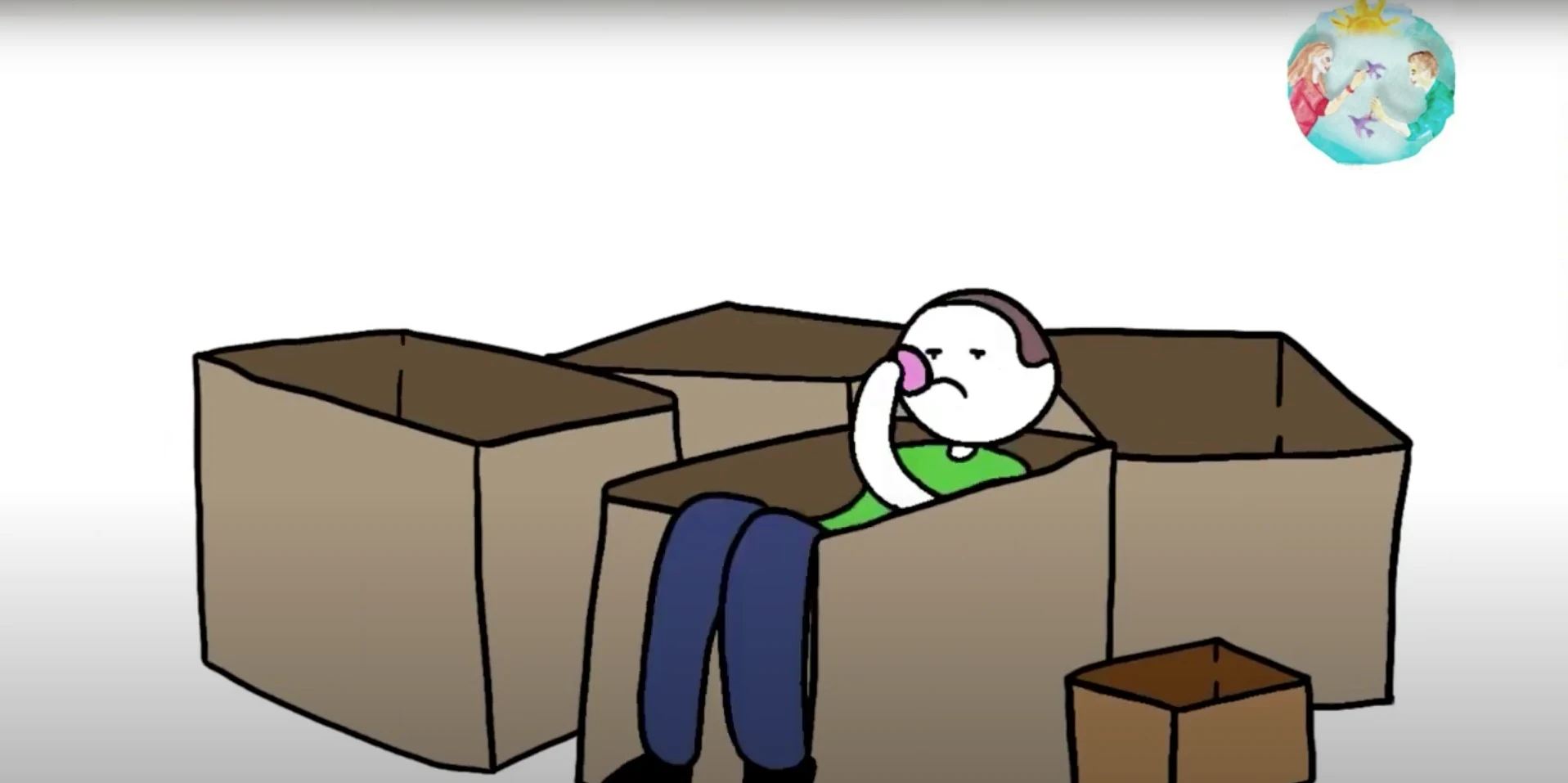
Dear parents, teachers, educators and students – a very important note just before we dive into the most wonderful world of all: the world of learning strategies. In every learning process we operate the most remarkable and complex machine and system in our world – the human brain. We will probably always need to keep researching and deepening our knowledge of how the brain works and how to understand it, both emotionally and educationally. When we enter a learning process, we are really talking about activating and understanding highly interconnected and extremely complex cognitive, medical and neurological components – but those are not what this learning strategies course will use, because the aim of this course is to teach you learning strategies that you, as non-professionals, can easily apply and easily understand. To do that, I had to set aside all of the highly complex cognitive and medical components. So I took the human brain and turned it into a kind of illustrated animation, and I took the countless cognitive and neurological definitions and condensed them into about five highly abstract concepts that stand in for the medical terms. Throughout this course, please remember: all of these concepts are used at the abstract level I created. They are not medical or neurological terms, and their purpose is to make learning easier for you. And once again, I wish you the very, very best of luck.
Learning strategies are the tools that teach a child how to learn: how to concentrate, hold information in mind, remember it over time and organize it. When a child is given the strategy that suits them, learning becomes easier and confidence comes back.
The four types of learning strategies:
Children with ADHD or learning disabilities usually don’t pick up these tools on their own – but they can be taught, step by step.

A Few Words from Students and Their Parents
Contact Us
Neurofeedback training and one-on-one and group support in Hebrew and English take place in Zichron Yaakov and Givatayim–Ramat Gan. In addition, one-on-one remedial teaching and learning strategies lessons are held on Zoom with students from all over Israel and around the world.
Strategies for coping with attention difficulties – such as brain-training techniques, time and task management, and organizing space and belongings – are offered through /digital courses/ only.